FIRST-TIME BUYER
Make the unfamiliar feel manageable.
Start with your budget, learn what preapproval does and doesn’t mean, and build a list of questions before shopping.
Follow the first-time buyer path →
MEET BRAD
I’m Brad, a Mortgage Advisor with Triumph Home Loans.
Whether you’re preparing for a first purchase or thinking through another move, bring your questions. We can start with what matters to you: a comfortable payment, available savings, and your timing.
From there, we can talk about the information needed to evaluate your options and what the next step could look like.
Let’s start a conversationYOUR GOALS FIRST
Before we talk about a loan, let’s talk about what you want life in your next home to feel like.
You don’t need perfect answers. Start with these four questions and bring them to our first conversation.
More room, a different location, a shorter commute, or simply a place of your own?
Think about a monthly housing budget that leaves room for the rest of your life.
Consider the savings you want available after closing, moving, and settling in.
Share your ideal move date, what is flexible, and anything that needs to happen first.
Your first step: choose your top priority and your biggest question.
Start your buyer guide →Read more: CFPB: preparing to shop
YOUR ROADMAP
A shared plan makes the next step easier to understand. Confirm the order and timing with your team; every purchase is different.
See what to prepareDiscuss your budget and provide the information your lender requests. Ask what has been reviewed and what conditions remain; preapproval is not final loan approval.
Work with your real estate agent to find a home that fits your needs and comfortable monthly budget.
Your agent helps you prepare an offer and discuss price, contingencies, credits, and timing. Ask your loan team how proposed terms affect your financing.
Review the agreed terms and deadlines with your agent before signing. Share the signed agreement with your loan team and plan inspections with your agent.
Your lender reviews your financial documents and the property information required for the loan. Respond promptly to requests. A home inspection is separate from this lending review.
Confirm your lender has cleared the loan to proceed toward closing. Review your Closing Disclosure and verify any remaining signing or funding requirements with your closing team.
Review and sign the closing documents and provide funds through verified instructions. Confirm when funding, recording, and possession occur; signing alone does not guarantee keys.
AN IMPORTANT DISTINCTION
A preapproval is conditional. Final approval requires further verification and satisfaction of the lender’s requirements, including review of the property and your financial information.
Understand the differenceSet your priorities, provide complete information, review choices, and make the decisions.
Discuss financing options, explain requested documents and conditions, and keep you informed about the loan review.
Discuss the home search, offer terms, inspections, and purchase-contract deadlines.
Confirm signing arrangements, final funds, and the steps to complete the transaction.
Agree on who owns each next step and when to follow up. Roles and closing practices vary.
Read more: CFPB: building your team
SEE THE WHOLE PICTURE
Put the monthly cost, money due at closing, and savings left afterward on the same page.
Ask for comparable Loan Estimates. Look at the loan type, term, rate-lock status, fees, and APR—not just a quoted rate.
Include taxes, insurance, mortgage insurance when applicable, and any HOA dues. Allow separately for maintenance and utilities.
Review the down payment, closing costs, deposits and credits. Decide what you want left for moving, repairs, and unexpected expenses.
A useful comparison: ask how paying points or taking lender credits changes upfront costs and the rate, then compare over the time you might keep the loan.
Work through the tradeoffs →Read more: CFPB: choosing a loan offer
Read more: CFPB: points and lender credits
THE FULL PICTURE
Understanding each part of your payment helps you plan for the full cost of homeownership.
HOW IT COMES TOGETHER
An escrow (or impound) account collects funds with your monthly mortgage payment to pay covered property taxes and insurance. Without escrow, you generally pay those expenses directly.
HOA or condo dues are usually paid separately. Your Loan Estimate and Closing Disclosure show what is included in your payment.
Leave room for change. Taxes and insurance can change your total payment, even with a fixed-rate loan.
A CALIFORNIA PLANNING NOTE
After a purchase, the county generally reassesses the property. A higher assessed value can generate supplemental taxes on the increase, prorated for the applicable period.
Depending on your purchase date, one or two bills may arrive in addition to the regular annual tax bill. They can arrive months after closing. Follow the due and delinquency dates printed on each bill, which may differ from the regular tax schedule.
Don’t assume escrow covers it. Lenders usually do not pay supplemental bills automatically. Confirm responsibility promptly with your loan servicer.
Learn more: CFPB: mortgage costs · Closing Disclosure · Payment changes
California sources: Board of Equalization · Los Angeles County Tax Collector
General educational information. Confirm your loan details with your lender or servicer and tax requirements with your county.
GET READY, STEP BY STEP
Use these conversations to get organized before decisions and deadlines start to overlap.
Ask for a document list tailored to your situation. Keep complete income and account records, and use the secure delivery method your loan team provides.
Your document checklist →Before taking on new debt, moving large sums, or changing employment, ask how it could affect your loan review.
Financing do’s & don’ts →Agree on your budget, offer deadlines, financing milestones, and who will communicate updates—with your permission.
Plan the handoffs →Get the terms in writing. Ask what the offer covers, which conditions apply, and how the full financing package compares.
Questions for a new-build purchase →Read more: CFPB: application paperwork
Read more: CFPB: responding to lender requests
START WHERE YOU ARE
The same careful planning matters whether this is your first purchase or your next one.
FIRST-TIME BUYER
Start with your budget, learn what preapproval does and doesn’t mean, and build a list of questions before shopping.
Follow the first-time buyer path →EXPERIENCED BUYER
Revisit today’s costs and your current goals. If you own a home, talk through sale timing, proceeds, and any overlap in housing expenses.
Follow the experienced buyer path →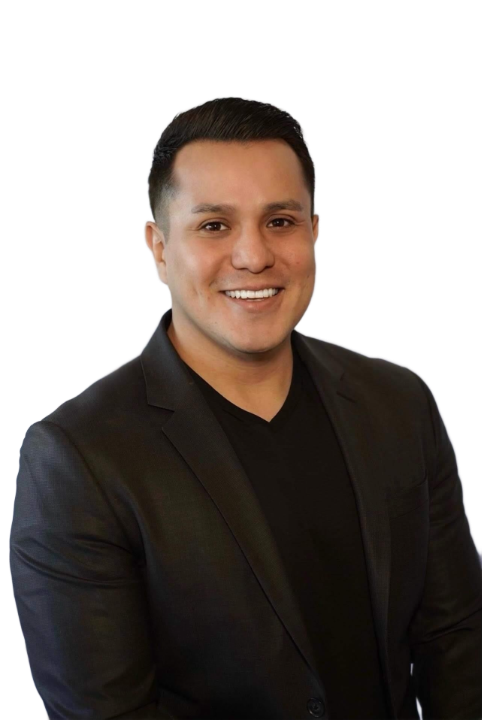
LET’S TALK ABOUT WHAT’S NEXT
Ready to take the next step?
Start My ApplicationContinue to the secure LendingPad portal. Contact Brad with questions before entering information.